
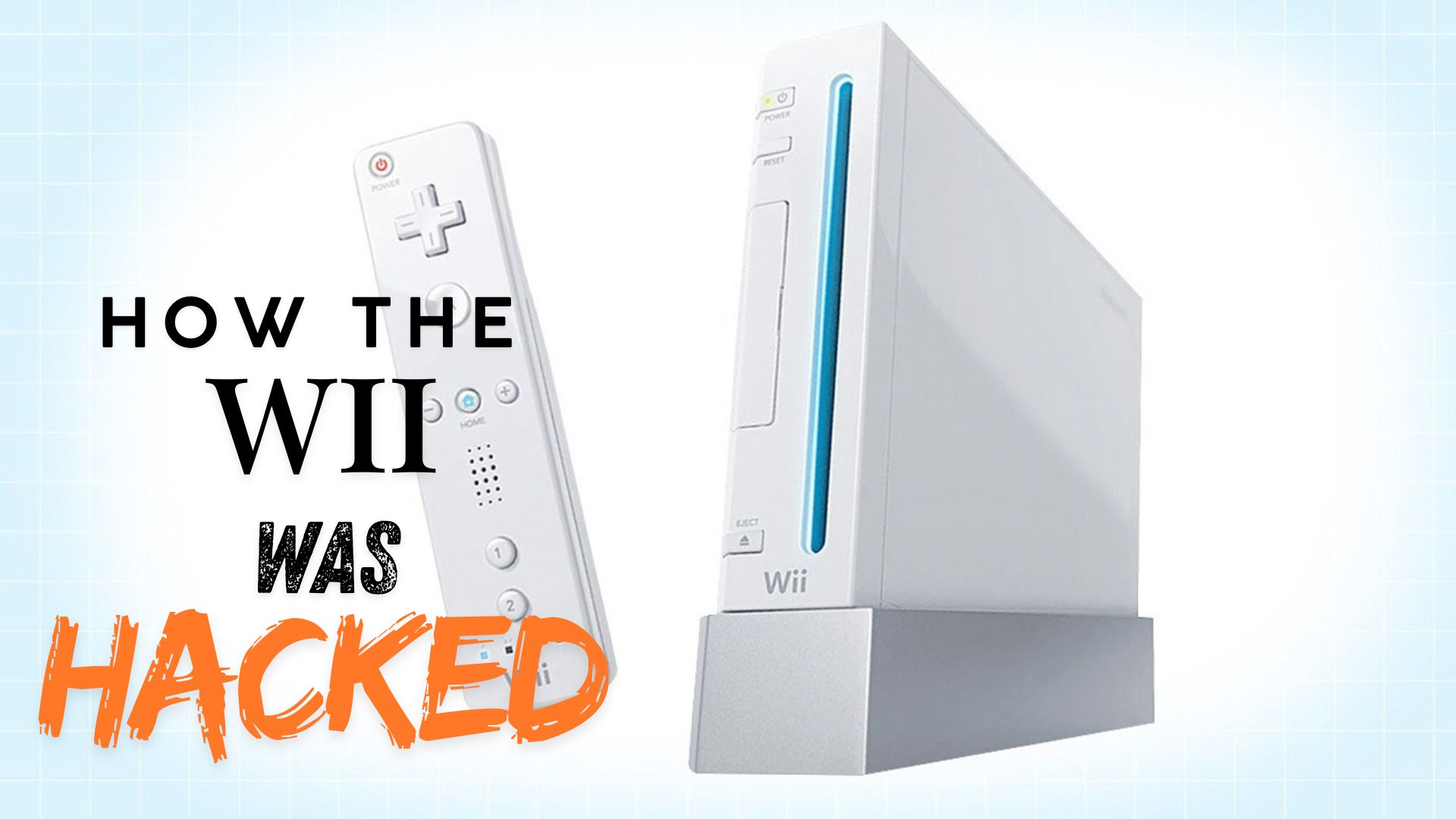
How the Wii was hacked
The Nintendo Wii hacking story is pure joy, chaos, and absolute creative genius. While Sony was fighting multi-million dollar corporate warfare, Nintendo was dealing with a community that hacked their console using a cheap tweezers, a retail copy of The Legend of Zelda, and an intentional laser alignment bug.
The Wii story is legendary because hackers didn’t just break the system—they essentially built a parallel operating system (The Homebrew Channel) that was so elegant and stable it put Nintendo’s own software to shame.
Here is the blueprint for your Wii teaser story.
The GameCube Trojan Horse
Nintendo made a massive strategic bet with the Wii: instead of building an expensive, high-tech powerhouse like the PS3, they essentially took the hardware architecture of their previous console, the GameCube, overclocked it, and added motion controls.
- The Vulnerability: Because the Wii was physically a “supercharged GameCube” under the hood, it inherited all of the GameCube’s older, well-documented security flaws.
- The Bridge: Early hackers quickly realized they could trick the Wii into running old GameCube exploit discs. This gave them an immediate foothold into the Wii’s memory before anyone had even looked at the new Wii software.
The “Twilight Hack” (The Save File Inception)
The first massive breakthrough that blew the console wide open didn’t require opening the hardware at all. A legendary hacker named Team Twiizers (named after a literal pair of tweezers they used in early hardware probing) targeted The Legend of Zelda: Twilight Princess.
- The Exploit: They discovered a classic “buffer overflow” vulnerability in how the game loaded the main character’s name from a save file.
- The Trigger: Hackers created a hacked save file where Link’s horse, Epona, had a name that was thousands of characters longer than the game expected.
- The Collapse: When a player loaded the save and walked backward to talk to a specific character, the game tried to load the massive name, panicked, crashed, and accidentally executed a hidden payload of homebrew code hidden inside the save file.
Suddenly, anyone with an SD card and a copy of Zelda could jailbreak their console.
The Homebrew Channel: The Parallel Universe
Once inside, the community didn’t just pirate games; they built an entire ecosystem. They created The Homebrew Channel, a custom channel that sat right on the official Wii menu. It looked and felt like an official Nintendo app, complete with smooth animations and custom music. Through this channel, users could load emulators, media players, and custom themes, completely transforming the Wii into a multimedia powerhouse.
The Blue Wire and the Ultimate Defeat (LetterBomb)
Nintendo desperately tried to patch the Zelda exploit with system updates, sparking a brilliant cat-and-mouse game. Every time Nintendo locked a door, hackers found a window.
- The “Tweezer” Attack: To bypass later hardware security revisions, hackers discovered that if you literally took a pair of tweezers and short-circuited a specific data line on the Wii’s motherboard at a precise millisecond during bootup, it forced the console’s security chip to report “all clear.”
- LetterBomb: The final, absolute death blow to the Wii’s security arrived via the Wii Message Board. Hackers realized they could send a corrupted text notification—shaped like a literal red letter with a bomb icon—directly to the Wii’s internal calendar. Clicking the letter executed code and broke the console completely, requiring no games or hardware modifications at all.